

Narrative Agents: When AI Moves from Conversation to Relationship
In 2023, twenty-five artificial agents began living on their own in a small simulated town: they worked, remembered, formed relationships and even threw parties. Today, AI no longer simply answers our questions: it can recall previous conversations, adapt its behavior and sustain an ongoing relationship with the people it interacts with. It is in this shift from conversation to relationship that what we might call narrative agents begin to take shape.
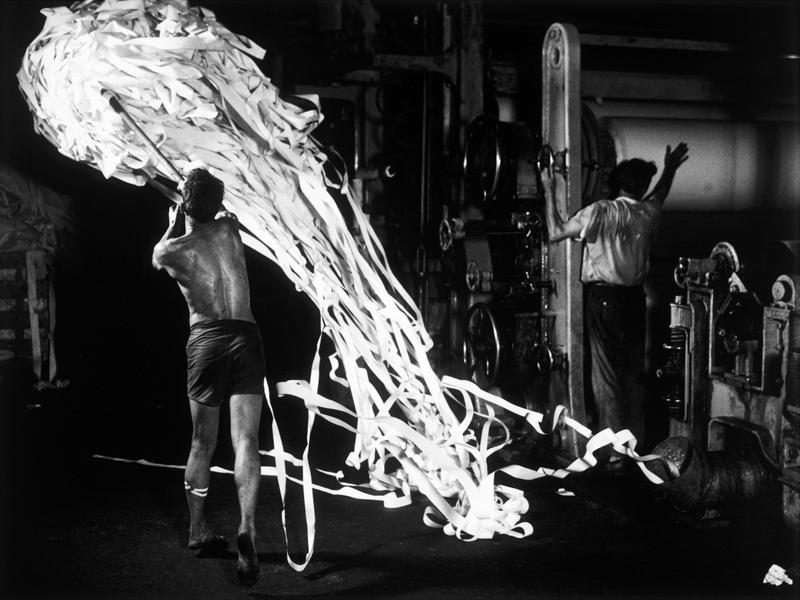
What is Artificial Humanities? (part 2)
«Because I do not exist.» So the empty armor of Agilulf replies to Charlemagne in Calvino's The Nonexistent Knight. Generative AI is not a mediamorphosis, yet another change in the expressive medium: it is the entrance into the creative process of a new actor, one that behaves as if it had intentions while having none. In the new fragment: what is artificial humanities, part two.
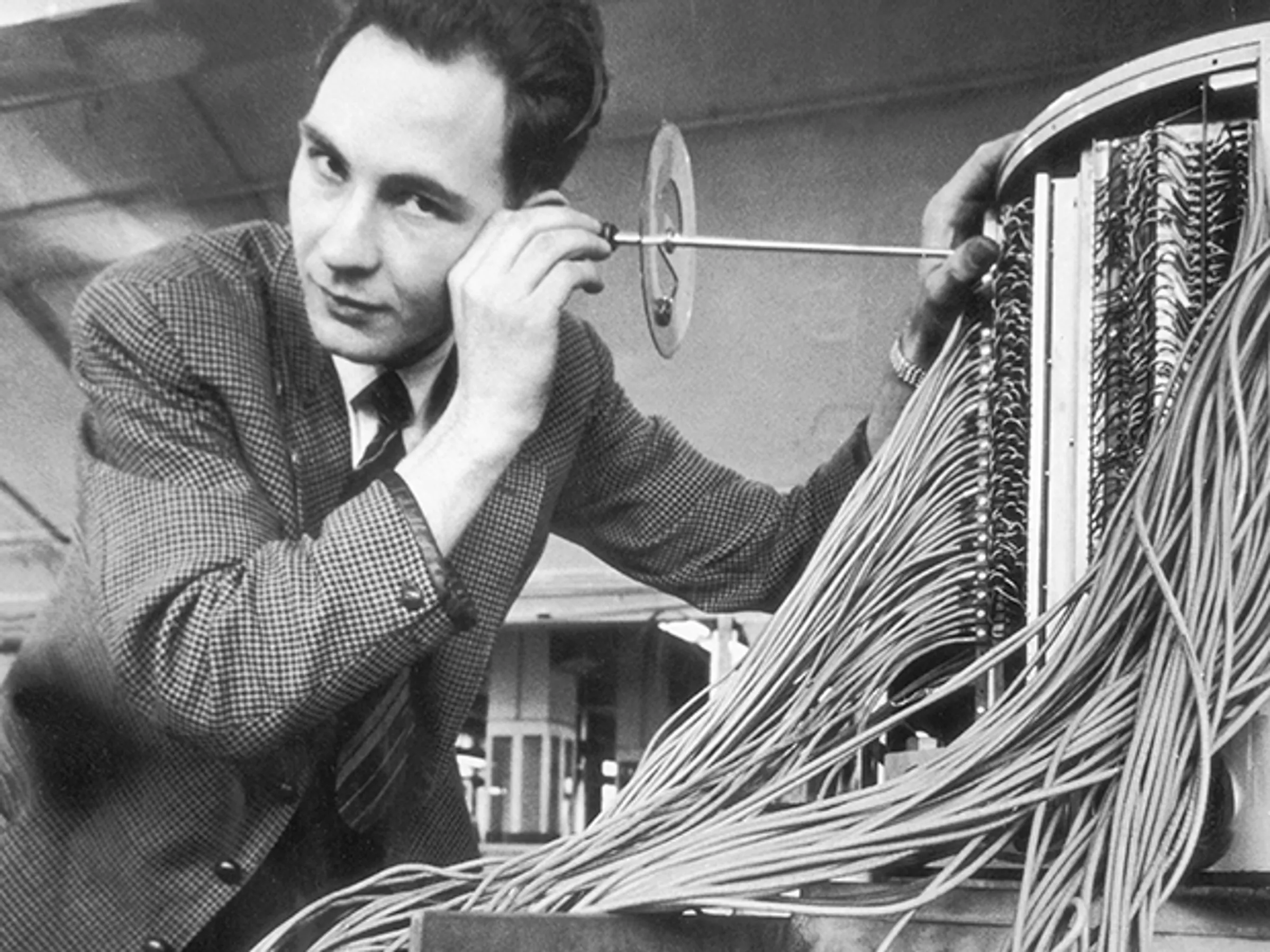
What is Artificial Humanities? (Part 1)
Six years ago a robot wrote in "The Guardian" to convince us not to fear it. Those lines now feel like ancient history, yet the question it raises has never been more urgent. Nina Beguš's theoretical framework of artificial humanities aims at bringing literature, philosophy, and fiction to the core of AI building and design.